
6 hr
Galle Private Day Tour: Sea Turtles & Madu River Boat Safari
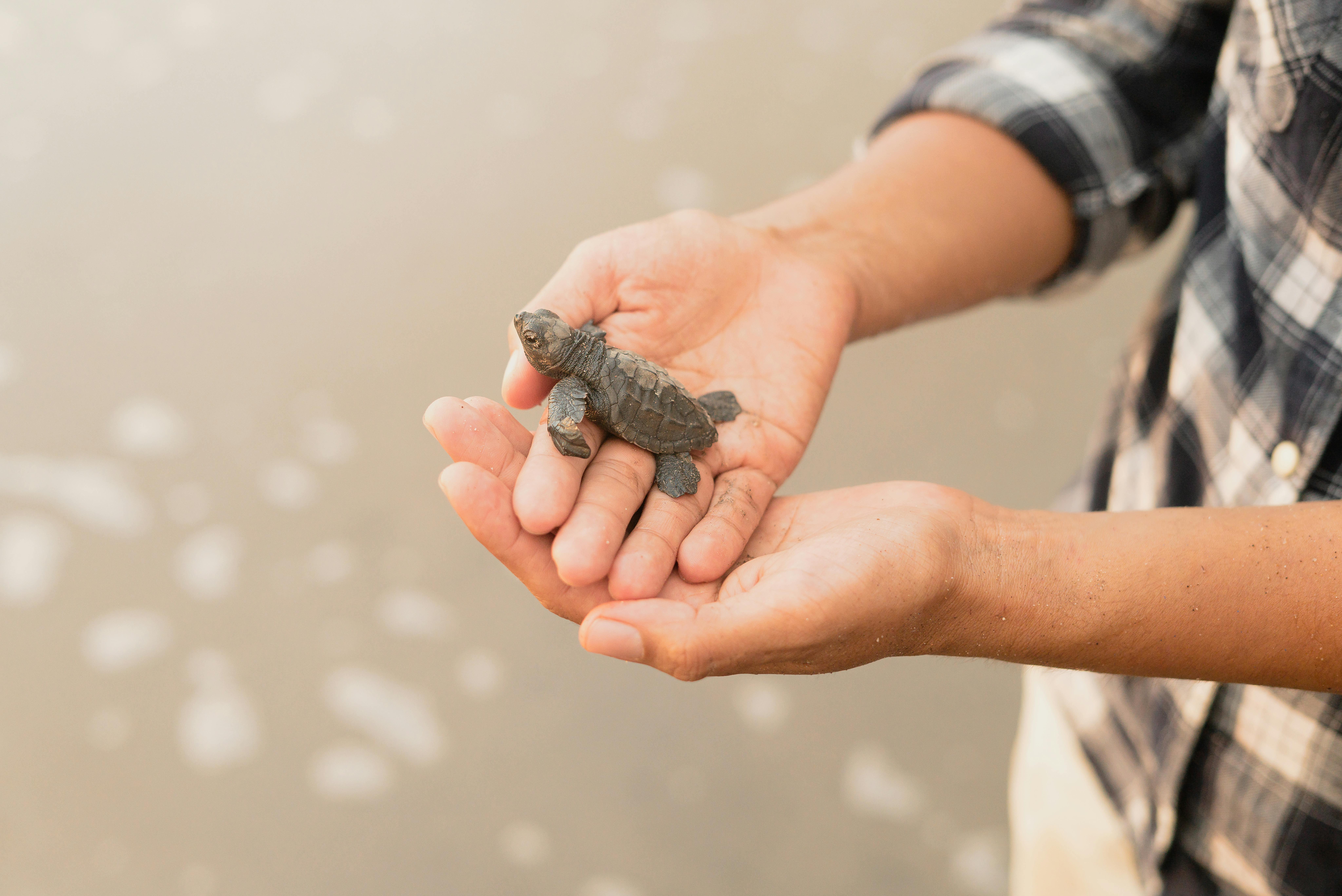
Explore Galle Fort, meet sea turtles, and cruise Madu Ganga on a private 6-hour day trip.
Reserve
Hand-picked by our editors — only the best 5 experiences from 60 reviewed.
Verified partners for every tour, free cancellation where available, and instant confirmation on every booking.
6 hr
Explore Galle Fort, meet sea turtles, and cruise Madu Ganga on a private 6-hour day trip.
Reserve
Cruise Madu Ganga's mangroves and islands, then meet rescued turtles at Kosgoda hatchery.
Reserve
4 hr
Cruise mangrove-lined waterways and meet rescued sea turtles on a half-day Bentota nature escape.
ReservePrices from verified partners. Availability updates in real time at checkout. Free cancellation policies apply where shown.
The landmarks, rooms, and views travelers on this tour remember — all visible on a single visit.
This historic island temple houses a sacred Buddha relic and is accessed by a short boat walk. It remains a spiritual hub for the local Madu River community.
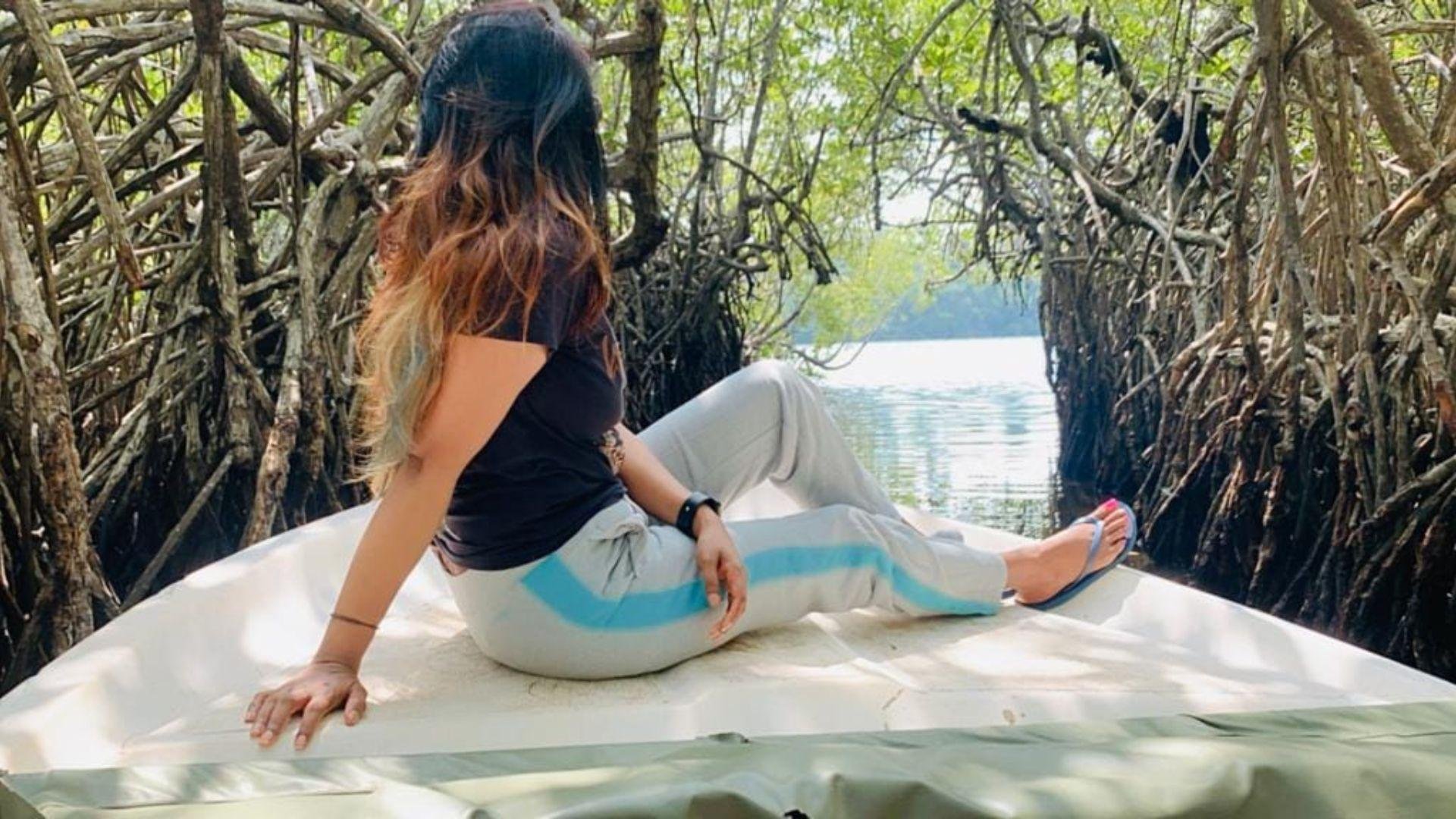
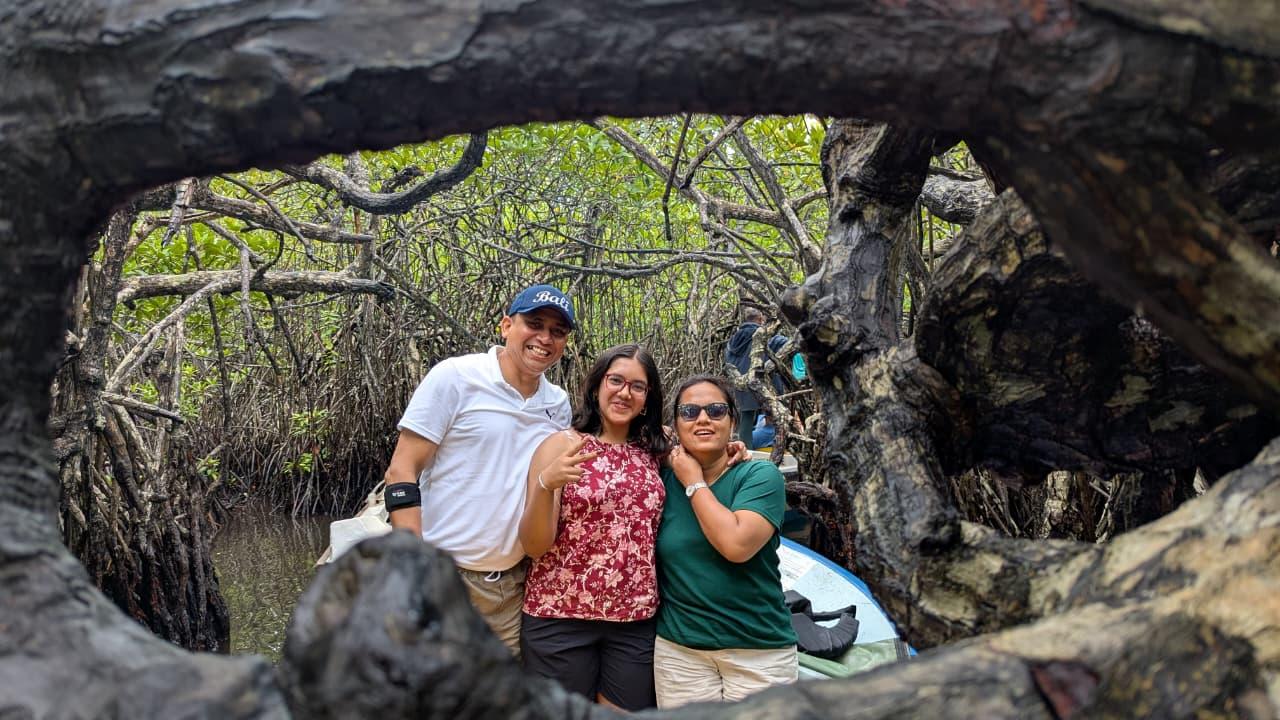
These natural tunnels are formed by dense mangrove roots, creating a cool, shaded sanctuary for endemic monitor lizards. They are the most photographed segment of madu ganga boat safari packages.
This unique experience involves small, harmless fish providing a natural cleaning service in the river water. It is a traditional practice along the Madu River banks.
Visitors can watch local workers peel cinnamon bark by hand in a tradition passed down through generations. The island provides a fragrant glimpse into local spice production.
The river delta serves as a significant habitat for over 70 species of birds, including egrets and kingfishers. Morning visits offer the highest density of sightings.
Madu Ganga provides a superior focus on ecological conservation and quiet wetlands, while the Bentota River serves those seeking a more developed, high-traffic water-sport environment. Most travelers who explore both define the Madu River excursion as the more tranquil nature experience.
| Feature | Top pick Madu Ganga | Bentota River Safari |
|---|---|---|
Biodiversity |
High species variety | Moderate; mostly water-sports based |
Crowd levels |
Low to moderate | High and consistent |
Atmosphere |
Serene and ecological | Active and commercial |
Accessibility from Galle |
Approximately 50 km | Approximately 65 km |
Typical safari duration |
1.5–2.5 hours | 1–2 hours |
| See tickets → |
Verdict: Choose the Madu Ganga boat safari packages for an immersive wetland encounter, or opt for the Bentota river circuit if you prefer quick access to motorized water activities and varied madu ganga boat safari packages tours options.
Choose your ticket, select your date, and reserve in under two minutes. Secure checkout handled by our verified partner.
Instant confirmation by email, with a mobile voucher you can save offline. No printing, no queuing at a collection desk.
Arrive at the entrance, show your voucher on your phone, and walk in. Most tickets include priority or skip-the-line access.
Practical details for your visit straight from our verified partners — hours, access, rules, and how to get there.
Baladaksha Road, Balapitiya
Look for the official boat safari signage.
Take a bus to Balapitiya junction and hire a local tuk-tuk to the jetty.
Follow the Galle-Colombo main road and turn inland at Balapitiya town.
Modest clothing is required when visiting temples located on the river islands. Please ensure shoulders and knees are covered as a sign of respect.
Keep personal belongings in waterproof bags to protect them from river spray. Security checks may be conducted at the pier entry.
Photography is permitted throughout the Madu Ganga boat safari packages tour. Use a telephoto lens to capture wildlife without disturbing natural behaviors.
Small boats used for madu ganga boat safari packages may not be fully wheelchair accessible. Please contact the operator in advance to arrange assistance for boarding.
Mobile signal is generally reliable across the river, though it may drop in dense mangrove tunnels. Please keep devices secure while the boat is in motion.
Children are welcome on madu ganga boat safari packages tours, but must wear life jackets at all times. Families should prioritize morning departures to maintain children's comfort.
Most madu ganga boat safari packages do not include meals, though water is provided. Small kiosks on the islands sell fresh king coconut and local fruit.
Pets are strictly prohibited on all madu ganga boat safari packages to ensure the safety of the sensitive mangrove ecosystem.
The river ecosystem is protected; please do not touch or remove any flora or fauna. Local guides provide ecological context during your trip.
Best time to go, insider tips, nearby landmarks, and the cancellation fine print — flip through to skim what matters to you.
How crowds, weather, and events shift across the year.
January to March offers the driest weather for clear photography and easy boat navigation.
April to June is warmer; expect occasional afternoon showers that provide respite from the heat.
October to November is transitionary; early morning boat rides are recommended to avoid tropical rains.
December features pleasant temperatures and peak migratory bird sightings along the river banks.
Small details that turn a good visit into a great one.
Always keep your hands inside the boat when passing through dense mangrove tunnels.
Wear sandals that can get wet, as boarding may require stepping into shallow water.
Tipping local guides for your madu ganga boat safari packages tour is appreciated for excellent service.
The sun reflects off the water, increasing UV exposure even on cloudy days.
Book madu ganga boat safari packages tickets online to secure your preferred early morning departure slot.
Non-bookable sights within a short walk — free to visit, easy to pair.
Ancient temple with historic stone inscriptions.
Features traditional Sri Lankan devil masks and history.
A quiet spiritual site offering panoramic river views.
Scenic stretch of coast near the river mouth.
Flexible, no hidden fees.
Full refunds are provided for cancellations made at least 24 hours in advance of your scheduled tour. Cancellations within 24 hours of the tour time or no-shows are subject to a fee, excluding the standard 25 USD conservation and boat safari fee for foreign adults.
Hand-picked options within walking distance — pick a district for vibe, or a specific hotel for convenience.
Riverside properties with direct boat access.
High-end villas located near the ocean front.
Local family-run stays near the jetty.
The Madu Ganga drains a basin of only 915 hectares, yet its estuary holds 64 islands, two of them inhabited by a single family each. That arithmetic explains much of the pull behind madu ganga boat safari packages: a lagoon narrow enough to cross in under an hour, dense enough to shelter more than 300 recorded plant species. Known locally as මාදු ගඟ, the river rises in the hills behind Elpitiya and meets the Indian Ocean at Balapitiya, in Sri Lanka's Galle District. Where fresh water meets salt, brackish conditions favour mangrove — Rhizophora standing on stilt roots, Sonneratia in the shallows, Excoecaria crowding the banks. The wetland entered the Ramsar list in 2003, one of a small number in the country. Ornithologists record more than 100 bird species in these channels: the white-bellied sea eagle, the stork-billed kingfisher, the purple heron. Water monitors sun themselves on fallen trunks. Mudskippers cross exposed roots when the tide draws down. Kothduwa Rajamaha Viharaya occupies one island, a temple long held to have sheltered the Tooth Relic during a medieval evacuation inland; its bodhi tree is still tended by resident monks. On Maduwa and the smaller cinnamon islets, families peel Cinnamomum verum bark by hand, a trade recorded on this coast since the Dutch monopoly of the seventeenth century. The narrow cuts that madu ganga boat safari packages tours now follow were opened by fishermen, who still set kraal traps and prawn nets between the root walls. Shrimp farming, charcoal burning and unregulated dredging thinned the mangrove through the 1990s; replanting programmes have since returned cover to several of the shallower channels. The estuary now carries a double load. Roughly a thousand people draw income from its fish, prawns and cinnamon, while the 25 USD conservation fee routes visitor money back toward the mangrove that shelters them — the same root systems credited with blunting the 2004 tsunami along this stretch of the southwest coast. A madu ganga boat safari packages tour is therefore a transaction inside a working wetland rather than a scenic detour. Fibreglass outboards share the water with dugout canoes. Lagoon jetties at Balapitiya sit beside drying racks and cinnamon sheds, and the 64 islands remain a lived address rather than an exhibit. Guides on Balapitiya mangrove cruises name birds and bark in the same breath, because the two have never been separable here.
"The lagoon's sixty-four islands remain a lived address rather than an exhibit."
A step-by-step walkthrough of the visit — what you'll see, how long each stage takes, and the details that matter.
You turn off Baladaksha Road at first light, when the lagoon still carries mist and the outboards idle low against the jetty. A boatman hands you a life jacket, checks your madu ganga boat safari packages tickets, and pushes off past moored dugouts. The engine settles. The bank closes in within minutes: stilt roots on both sides, a tunnel of Rhizophora barely wider than the hull, leaves brushing your shoulder as the pilot cuts the throttle to a crawl. You stop at a cinnamon island and watch a peeler strip bark in one continuous ribbon, then chew a splinter of it while the kettle goes on. On the next jetty you lower your feet into a tank and let the fish do their work, laughing or flinching. At Kothduwa you leave your shoes on the boards, walk the island path to the bodhi tree, and ring the bell once. Back on the water you pass fish kraals, a floating shop selling king coconut, and a monitor lizard asleep across a branch. The light hardens by nine. Egrets lift off the shallows in ones and twos, the heat comes up off the fibreglass, and the pilot turns for the river mouth where the lagoon meets the sea. You step back onto the jetty with salt on your arms and cinnamon oil still on your fingers.
The site is open daily from 06:00–18:00.
Booking madu ganga boat safari packages tickets in advance is highly recommended to guarantee your morning time slot.
The best arrival window is 06:00–09:00 for optimal wildlife activity and cooler temperatures.
There are no strict age limits, but children must wear life jackets during all madu ganga boat safari packages tours.
Bring sun protection, insect repellent, and a camera to capture your madu ganga boat safari packages experience.
Yes, you may bring small snacks and drinks, but please ensure you carry all trash off the boat.
The jetty is located on Baladaksha Road, Balapitiya, accessible by taxi or local bus.
Accessibility is limited; please contact the operator before booking madu ganga boat safari packages tours to discuss specific needs.
The standard conservation and boat safari fee of 25 USD for foreign adults is typically included, but verify your specific package inclusions.