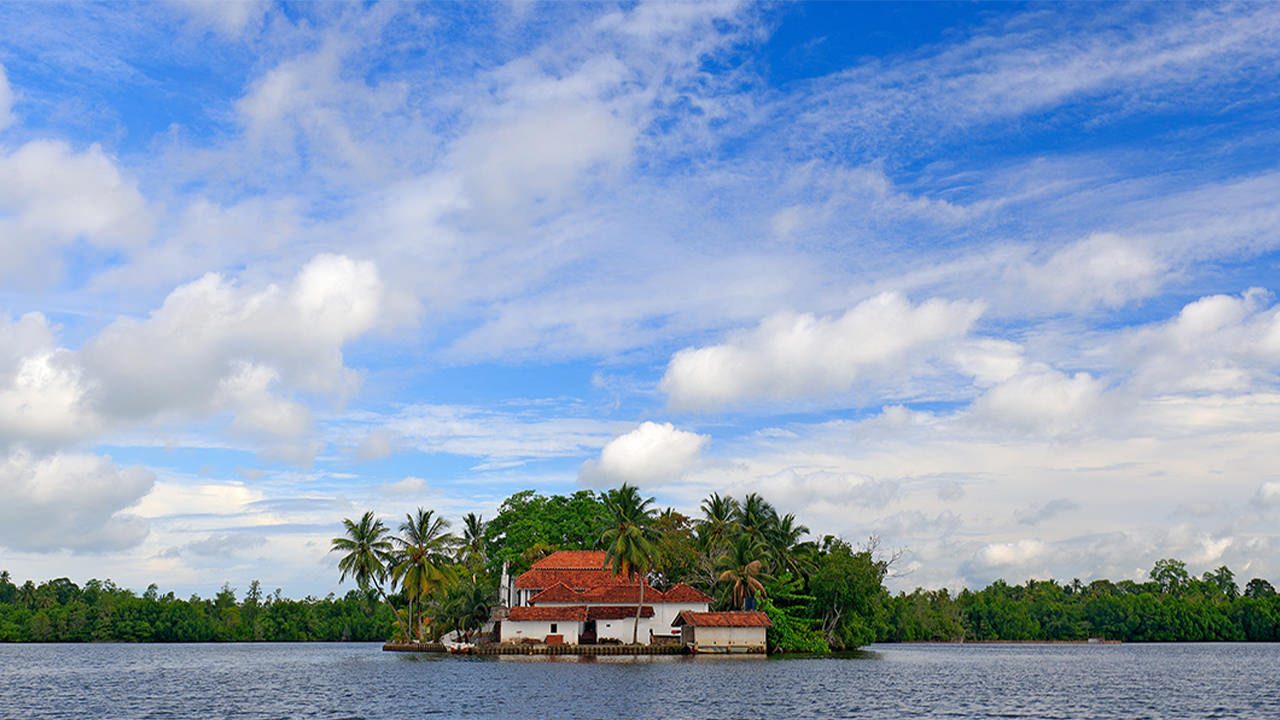
Kothduwa Temple
A historic Buddhist temple located on an island featuring a centuries-old image house and religious artifacts.
Visit the temple grounds during low tide for easier boat access.

Hundreds of travelers navigate the Madu River wetlands each month, searching for monitor lizards in the mangroves and kingfishers above the water. Their experiences vary widely depending on guide expertise, departure time, and seasonal wildlife patterns. This page collects verified visitor feedback to help you decide whether the safari matches your expectations.
Quick answer
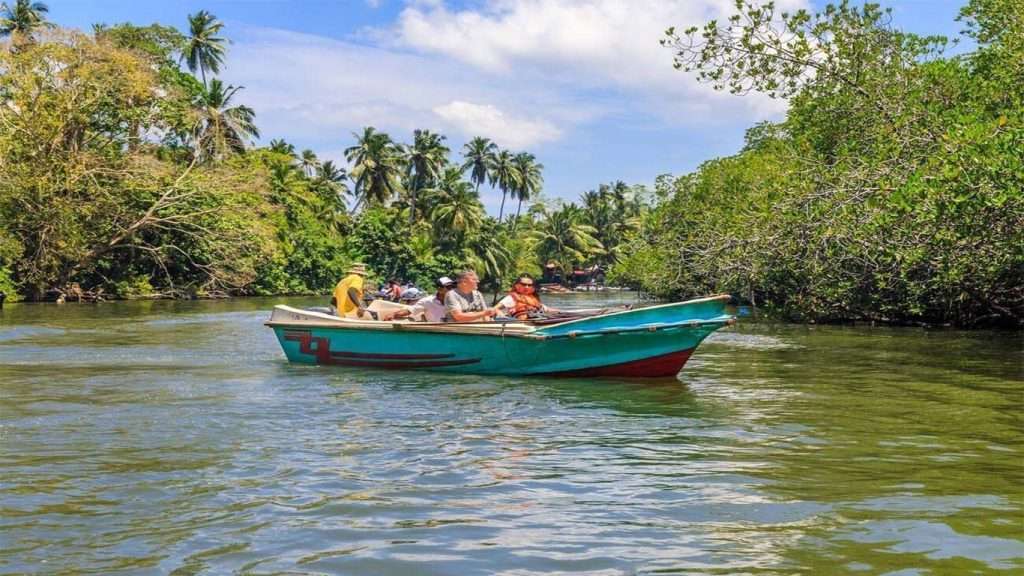
Visitor reviews of the Madu Ganga boat safari in Balapitiya consistently praise early morning departures for bird activity and knowledgeable guides who identify species along the mangrove channels. Most travelers rate the experience highly for its peaceful setting and wildlife encounters, though some note that fish spa stops and temple visits feel rushed. The typical two-hour journey receives praise when guides take time to explain the wetland ecosystem rather than simply ferrying passengers between standard stops.
The Madu River splits into fifteen islands across 900 hectares of mangrove forest, and every boat operator claims to show you the same wildlife—monitor lizards, cormorants, herons, and the occasional crocodile. What separates a forgettable trip from a memorable one is the guide's ability to read the tide, spot movement in the canopy, and adjust the route when a kingfisher nests near the water. Madu ganga boat safari balapitiya reviews from the past eighteen months reveal a clear pattern: visitors who departed between six and eight in the morning encountered significantly more bird activity than those who arrived after ten. The wetland's wildlife retreats during midday heat, and afternoon safaris often reduce to scenic boat rides through empty mangrove tunnels. Guides who work the early shift tend to be more experienced, having built relationships with the ecosystem's rhythms over years of daily observation. The standard safari includes stops at a cinnamon island demonstration, a fish spa, and the Kothduwa Temple—three interruptions that divide opinion sharply. Travelers interested in the wetland's natural history appreciate guides who minimize these commercial stops and instead linger near heron rookeries or explain how mangrove roots filter saltwater. Those expecting a cultural immersion find the temple visit too brief and the cinnamon demonstration repetitive. The best operators ask passengers what they want before leaving the dock. Boat safari reviews mention water monitor lizards more than any other species—these meter-long reptiles bask on overhanging branches and dive when boats approach. Sightings are almost guaranteed in the dry season, less predictable during monsoon months when the lizards retreat inland. Birdwatchers report success with white-bellied sea eagles, painted storks, and purple herons, though binoculars are essential for identifying smaller species across the water. The mangrove channels themselves—silent, shaded, and tannic—draw consistent praise for their stillness, a contrast to the highway noise that surrounds Balapitiya town. Pricing transparency remains an issue. Several madu ganga boat safari balapitiya reviews warn that dock touts quote low prices, then add fees for each island stop or pressure passengers to tip excessively. Booking through established operators with fixed rates eliminates this friction. The wetland rewards patience more than speed; guides who rush through the route to fit in extra trips deliver less wildlife and lower satisfaction scores.
“The wetland rewards patience more than speed; guides who rush through the route to fit in extra trips deliver less wildlife and lower satisfaction scores.”
The best arrival window for a Madu Ganga boat safari is 06:00–08:00. Arriving early provides cooler temperatures and increased wildlife activity before the midday heat settles over the river ecosystem.
Sunny with low humidity
Clear visibility aids wildlife spotting along the river banks.
Occasional heavy rain showers
Intermittent rainfall creates lush, vibrant greenery but may affect boat visibility.
—
Early arrivals experience calmer waters and more frequent sightings of local river fauna.
Verdict: For the most consistent conditions, aim for a weekday arrival between 06:00 and 08:00 during the drier months of January or February.
The Madu Ganga boat safari in Balapitiya operates daily throughout the week to accommodate visitors exploring the river ecosystem.
The Madu Ganga boat safari route traverses the intricate estuary of the Madu River, passing through dense mangrove forests and various islands. Visitors observe the local ecosystem, traditional fishing methods, and historical sites established on the small landmasses within the river.
A historic Buddhist temple located on an island featuring a centuries-old image house and religious artifacts.
Visit the temple grounds during low tide for easier boat access.
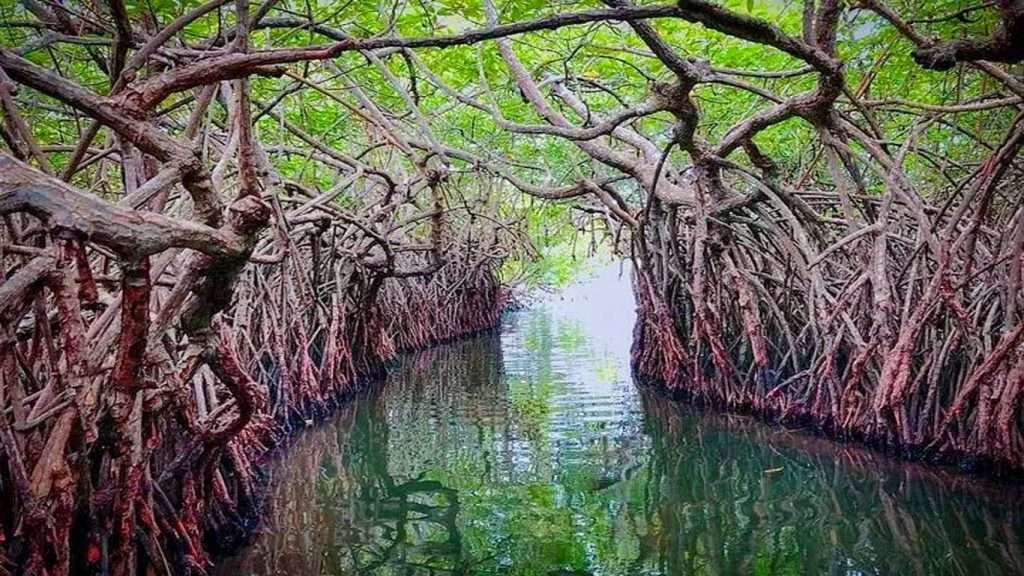
Narrow passages formed by tangled mangrove roots that provide shelter for various bird species and reptiles.
Watch for water monitor lizards resting on low-hanging branches.
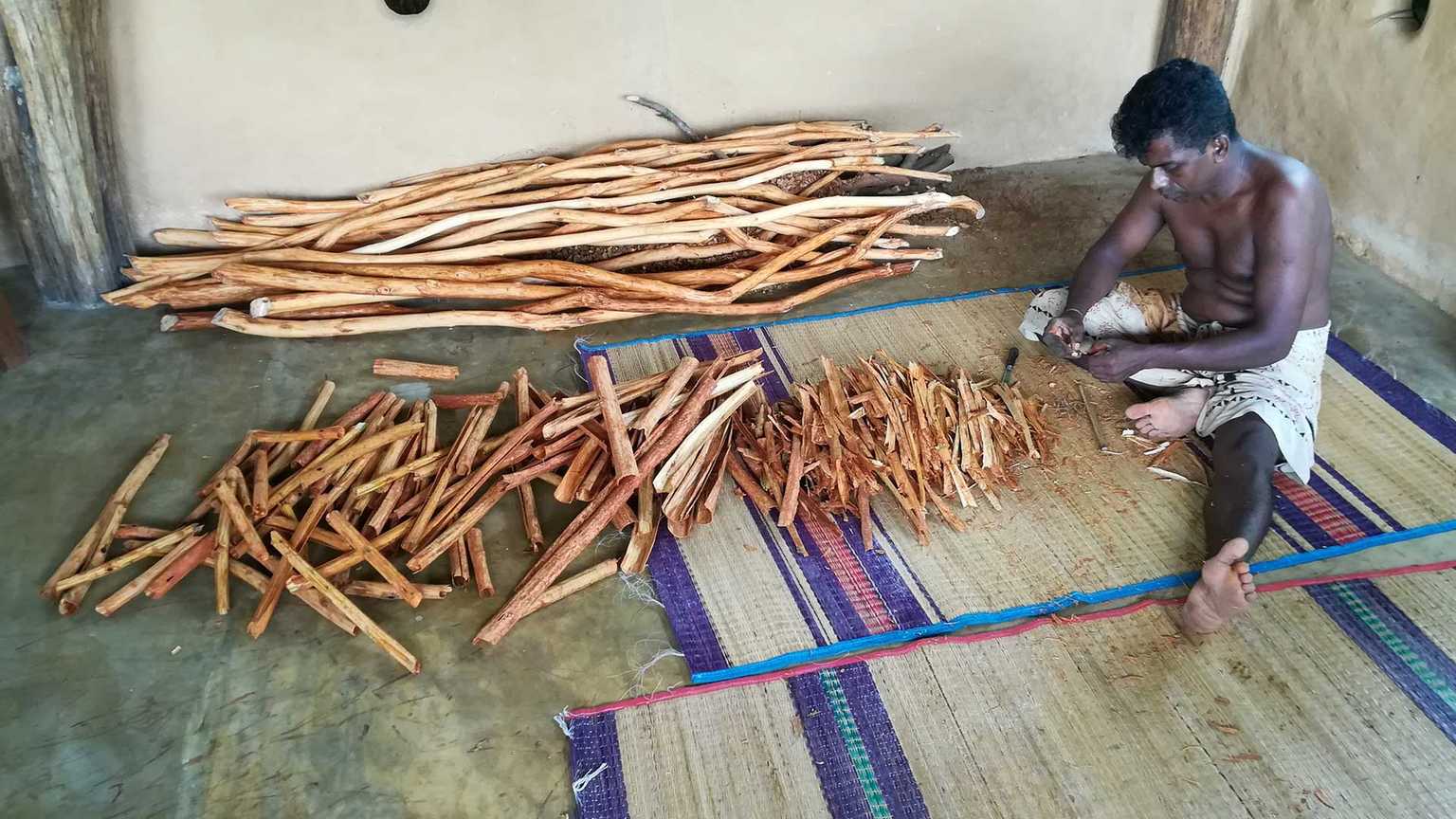
Small islands where local families demonstrate the traditional process of peeling and processing cinnamon bark.
Observe the manual stripping technique used to extract cinnamon quills.
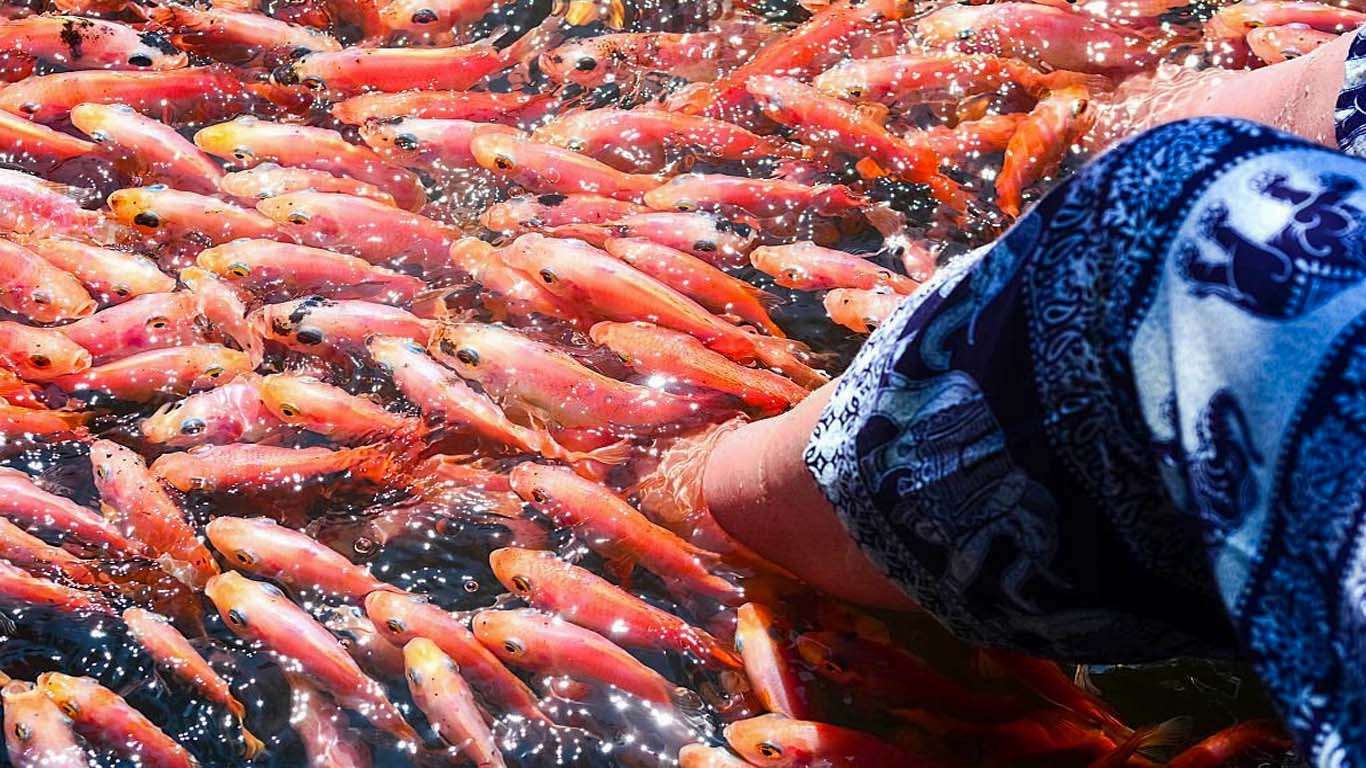
Specific river enclosures where small fish gather to nibble at dead skin on feet placed in the water.
Dip your feet in slowly to allow the fish to approach.
The Madu Ganga boat safari departure point is located at Nandana Samagi Mawatha, Mahaladuwa, Balapitiya 80550. The site is most easily accessed by road via the A2 coastal highway.
Coastal Line to Balapitiya Railway Station
Route 32 (Colombo–Galle) to Balapitiya town
A2 Southern Coastal Road via Southern Expressway
Direct transfer to Nandana Samagi Mawatha
For the most reliable transit, navigate directly to the address in Balapitiya. If arriving by private vehicle, confirm parking availability with your operator in advance of your visit.
Practical adjustments to your gear and interaction habits will significantly improve your experience navigating the mangroves of Madu River.
Keep cameras and phones in waterproof dry bags as boat spray is frequent and unpredictable during turns.
Request that your boat operator maintains a slow speed when approaching wildlife to avoid startling monitor lizards or birds.
Wear a wide-brimmed hat and apply high-SPF sunscreen before boarding since the reflection of the sun off the water intensifies UV exposure.
Wear sandals or water shoes that can get wet, as some stops involve walking on damp riverbanks or boarding onto soft mud.
Tipping is not required, but if you choose to tip your boat operator for a professional experience, provide it directly in local currency at the end of the trip.
Apply mosquito repellent before you depart, especially if you plan to explore the inner mangrove tunnels where insects are more active.
Everything you need to know about madu ganga boat safari balapitiya reviews
Most madu ganga boat safari balapitiya reviews provide helpful insights into the quality of local guides and the variety of wildlife spotted. You should look for comments regarding vessel safety and the duration of stops at the cinnamon islands. Reading recent madu ganga boat safari balapitiya reviews helps travelers understand the typical route through the mangroves. Please consult multiple sources to get a balanced view of the experience.
The entrance fee is 25 USD for a typical foreign adult, which includes standard stops along the route. This fee generally covers the boat rental and the guide services for the excursion. Please note that prices are subject to change and should be verified at the time of your visit.
The best arrival window is between 06:00 and 08:00 to avoid the midday heat. Arriving early also increases your chances of spotting diverse fauna in the wetlands before the river becomes busy. Visiting during these cooler hours is a common recommendation found in many madu ganga boat safari balapitiya reviews.
The facility operates daily from 06:00 to 18:00. This schedule allows visitors to plan their trip during early morning or late afternoon light. Ensure you confirm your departure time within these operational hours when arranging your visit.
You can expect to navigate through dense mangrove tunnels and visit islands famous for cinnamon cultivation. These boat excursions often stop at local temples and fish spas where feet are cleaned by small river fish. The journey provides a peaceful look at the biodiversity of this Ramsar wetland site.
Yes, these tours are generally considered safe for families when children are accompanied by adults. The calm waters of the river provide a gentle environment for all ages. Guides are accustomed to hosting groups and will assist with boarding and disembarking at the various stops.
The boat safari is located at Nandana Samagi Mawatha, Mahaladuwa, Balapitiya 80550, Sri Lanka. You can reach this address by local taxi or hired vehicle from nearby coastal towns. It is advised to use GPS navigation or request the driver to contact the facility via +94 715946050 if needed.
When checking madu ganga boat safari balapitiya reviews, focus on comments that describe the professionalism of the boat operators. Look for recent feedback that highlights clear communication and adherence to the scheduled route. It is also useful to check if the reviewer mentions the inclusion of promised stops such as the Kothduwa temple or mangrove tunnels.
Madu Ganga Boat Safari Price Per Person
Read more Tickets & toursMadu Ganga Boat Safari Packages
Read more Tickets & toursMadu Ganga Boat Safari Pricing
Read more Tickets & toursBook Your Madu Ganga Boat Safari
Read more GuideMadu Ganga Boat Safari Timing
Read more GuideMadu Ganga Boat Safari Balapitiya
Read more